
2026-10-11 · Marcus Rodriguez
Protecting Your Roof from San Antonio's Intense Summer Sun
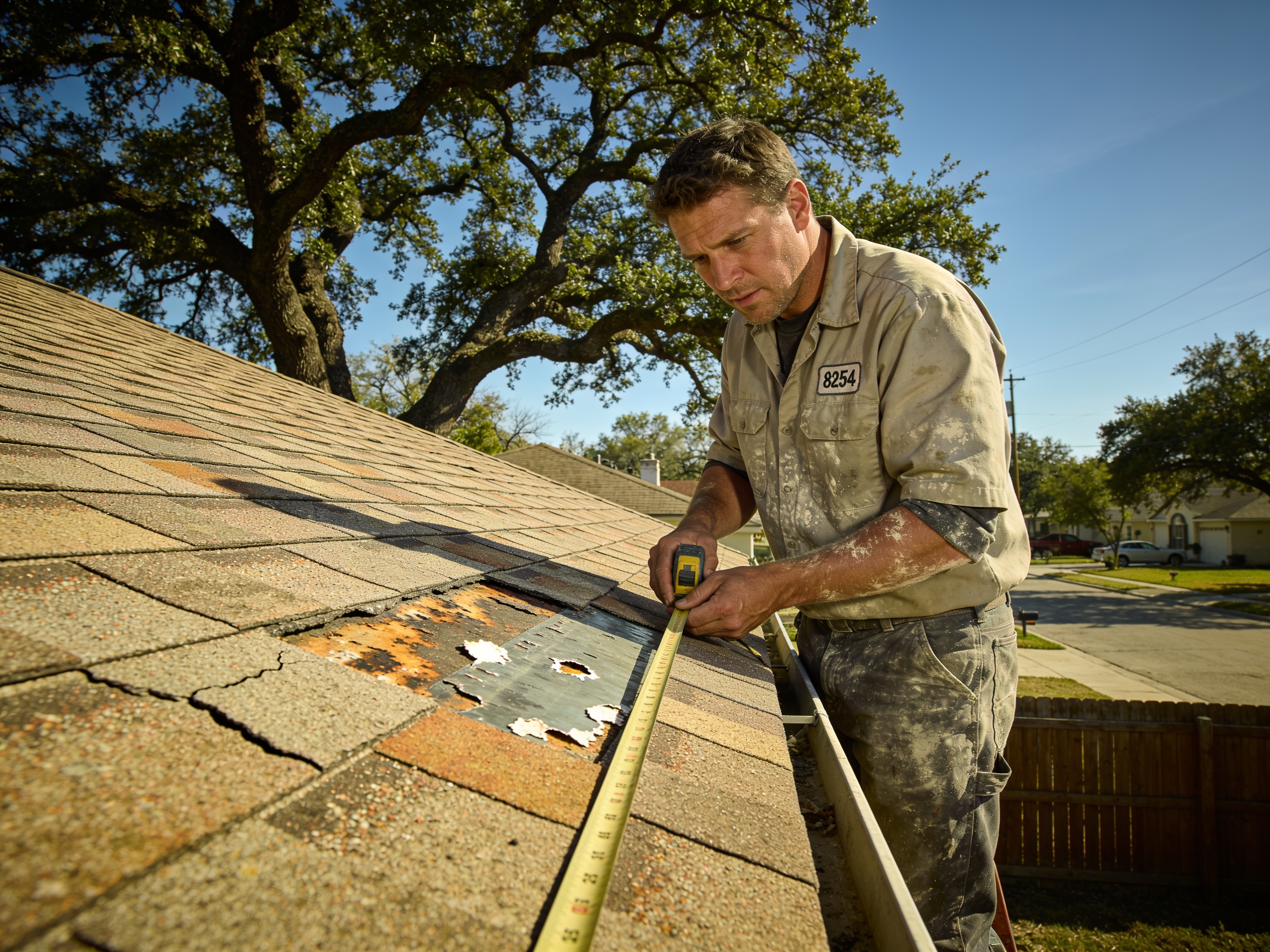
Protecting your roof from San Antonio's intense summer sun primarily involves a combination of material selection, proactive maintenance, and regular inspections to mitigate the damaging effects of prolonged UV exposure and extreme heat. While the exact lifespan depends on the roofing material and its installation quality, a typical asphalt shingle roof in the 78254 area, without adequate protection, might see its effective life reduced by 5–10 years compared to areas with milder climates. The sun's powerful ultraviolet (UV) rays degrade roofing materials, causing them to crack, warp, and become brittle, while the high ambient temperatures, often reaching above 100°F for extended periods, accelerate this deterioration. Homeowners in neighborhoods like Stillwater Ranch and Kallison Ranch, with many newer homes featuring asphalt shingle roofs, must be particularly vigilant. Implementing strategies such as proper attic ventilation and choosing heat-reflective materials can significantly extend your roof's durability against the harsh Texas summer.
Understanding How San Antonio's Sun Damages Your Roof
The primary culprits in San Antonio's summer sun are intense ultraviolet (UV) radiation and extreme heat. UV rays break down the chemical bonds in roofing materials, particularly asphalt shingles. This leads to a loss of granules, which are the protective, reflective layer on shingles. Once these granules are gone, the asphalt base is exposed directly to the sun, accelerating its deterioration. You might notice your shingles appearing faded or bald spots forming, which are clear indicators of UV damage. Furthermore, the constant expansion and contraction of roofing materials due to daily temperature swings – from cool nights to scorching afternoons – create stress that can lead to cracks, warping, and the loosening of seals around flashing and other penetration points. This thermal cycling is particularly pronounced in the San Antonio 78254 area, where summer temperatures regularly exceed 95°F for months on end, putting immense strain on even well-installed roofs. This stress can often lead to issues like those addressed by our <a href="/services/roof-flashing-leak">roof flashing leak</a> service, as the repeated movement compromises seals.
The Role of Attic Ventilation in Heat Management
Effective attic ventilation is one of the most critical, yet often overlooked, defenses against San Antonio's summer heat. A properly ventilated attic allows hot air to escape, preventing it from building up and radiating downwards into your living space, and more importantly, upwards into your roof deck. Without adequate ventilation, attic temperatures can soar to 150°F or higher, essentially baking your roof from the inside out. This extreme heat can cause roof sheathing to warp, accelerate the breakdown of shingles, and even compromise the integrity of your roof's structure over time. Proper ventilation, typically involving a combination of soffit vents for intake and ridge or static vents for exhaust, creates a continuous airflow that carries hot air out of the attic. This not only protects your roof but also reduces your home's cooling load, leading to lower energy bills during the peak summer months. Ensuring your attic is well-ventilated is a proactive step that can prevent many heat-related roofing problems before they even start.
Material Choices for Heat Resistance
When considering a new roof or a significant <a href="/services/roof-replacement">roof replacement</a> in the San Antonio 78254 area, selecting heat-resistant materials is paramount. While asphalt shingles are common in neighborhoods like Bricewood and Sagebrooke due to their affordability, opting for higher-quality, reflective asphalt shingles can make a significant difference. These shingles often incorporate special granules that reflect more solar energy, reducing the roof's surface temperature. Metal roofing is another excellent option for heat resistance. Materials like standing seam metal roofs reflect a substantial amount of solar radiation and are incredibly durable, often lasting 40–70 years. Tile roofs, whether clay or concrete, also perform exceptionally well in hot climates. Their mass and air circulation beneath the tiles provide excellent insulation and heat reflection. While the upfront cost for these materials might be higher, their longevity and energy efficiency can lead to considerable savings over the roof's lifespan, making them a wise investment for San Antonio homeowners battling the intense summer sun.
Regular Inspections and Maintenance for Sun Damage
Regular roof inspections are essential for identifying and addressing sun-related damage before it escalates into major problems. We recommend at least an annual inspection, ideally before the peak summer heat or shortly after. During an inspection, look for signs of granule loss, which appears as bald spots or excessive granules in your gutters. Check for cracked, curled, or brittle shingles, especially on the south and west-facing slopes which receive the most direct sun exposure. Pay close attention to flashing around chimneys, vents, and skylights, as the intense heat can cause sealants to dry out and crack, creating potential entry points for leaks. Addressing minor issues like resealing flashing or replacing a few damaged shingles promptly can prevent more extensive and costly repairs down the line. Our <a href="/services/roof-inspection">roof inspection</a> service can help homeowners in areas like Rosemont Hill identify these subtle signs of damage early on, providing peace of mind and extending the life of their roof. For more on costs, you can review our article on <a href="/blog/cost-factors-for-roof-repair-in-the-78254-area">Cost Factors for Roof Repair in the 78254 Area</a>.
Proactive Measures to Extend Roof Life
Beyond material choice and ventilation, several proactive measures can help your roof withstand San Antonio's brutal summers. Firstly, ensure proper attic insulation. While ventilation removes hot air, insulation prevents heat transfer into your living space and helps maintain a more stable temperature in the attic, reducing thermal stress on the roof deck. Secondly, consider applying a reflective roof coating. These coatings, often white or light-colored, can be applied to various roofing materials, significantly increasing their solar reflectivity and reducing surface temperatures by 20–50°F. This can translate to noticeable reductions in cooling costs. Thirdly, trim back any overhanging tree branches. While shade is beneficial, branches can rub against the roof, abrading granules, and falling debris during summer storms can cause impact damage. Lastly, keep your gutters clean. Clogged gutters can lead to water pooling, which, when combined with intense heat, can accelerate deterioration of fascia and roof edges. By taking these steps, homeowners in the San Antonio 78254 area can significantly enhance their roof's resilience against the relentless summer sun.